
The Top 3 Warm-Up Exercises
Every Runner Needs
A quick, runner-specific warm-up that activates the right muscles,
improves mechanics, and prepares your body to run better—not just harder.
The Top 3 Warm-Up Exercises Every Runner Needs
A quick, runner-specific warm-up that activates the right muscles, improves mechanics, and prepares your body to run better—not just harder.
Why Most Warm-Ups Fail Runners
Strength alone isn’t enough. Without the right activation,
even strong muscles can’t protect you from injury or improve your stride.
Most runners know strength work matters…
but many still warm up with movements that don’t translate to running.
The result?
> Tight hips
> Weak ankles and shins
> Poor shock absorption
> Injuries that seem to “come out of nowhere”
That’s because a warm-up shouldn’t just get you moving — it should activate the muscles that actually control your stride.
Without that activation, even strong runners end up compensating once they start running.

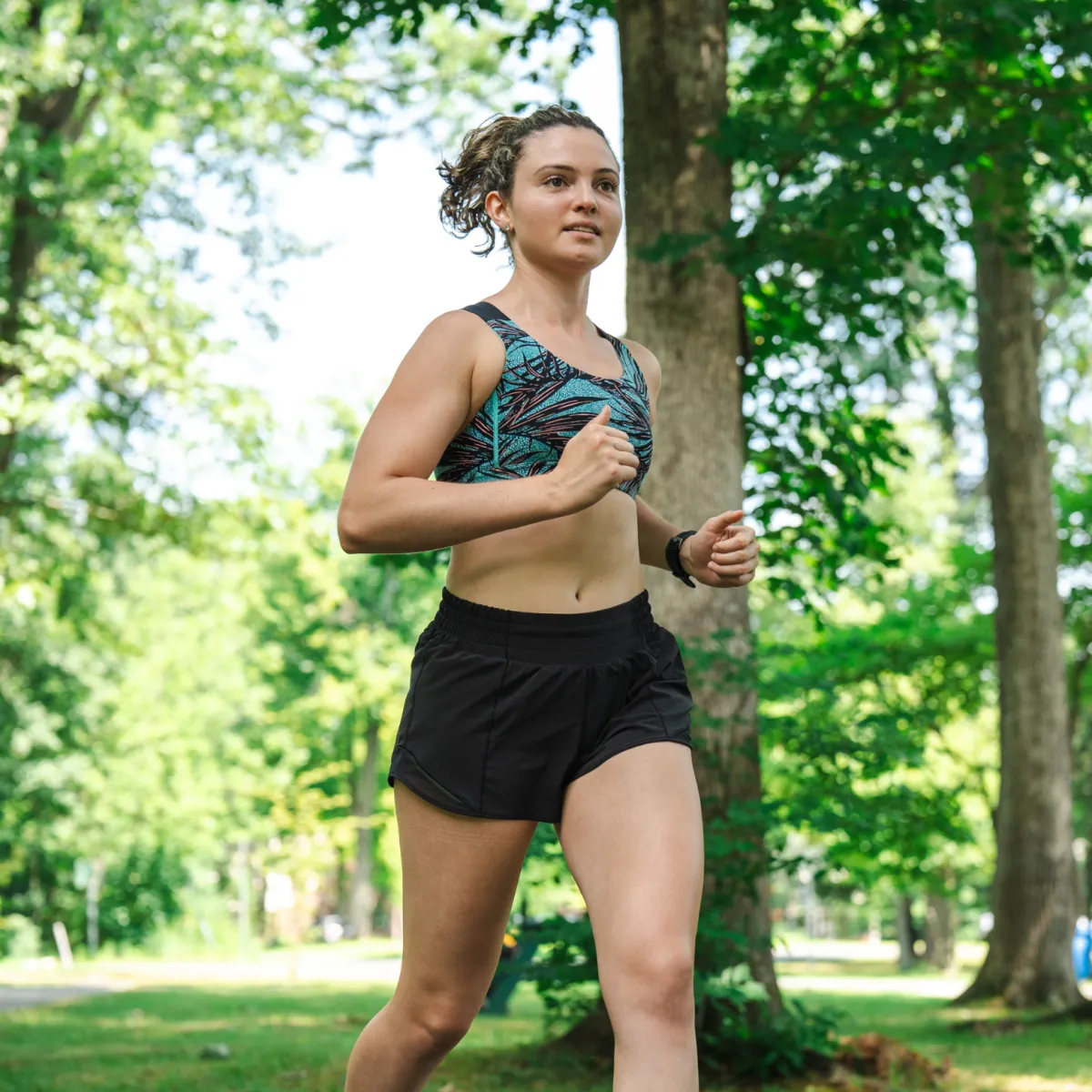
Warm Up the Right Way— Every Step Counts
Most runners know strength matters, but skipping the proper activation
means your muscles aren’t ready for the demands of every stride.
A proper warm-up isn’t about doing more exercises—it’s about doing the right ones.
Movements that specifically prepare your hips, shins, ankles, and nervous system for the single-leg, repetitive impact of running can make the difference between an efficient stride and unnecessary strain.
Even if you’ve built strength through core or resistance work, your muscles won’t fire correctly if they aren’t properly activated. That means tight hips, weak ankles, poor shock absorption, and the injuries that seem to appear out of nowhere.
This guide was designed to give runners exactly what they need: three warm-up exercises that turn strength into action, preparing your body for safe, efficient, and powerful running—before the miles ever begin.

MEET YOUR COACH
Bonnie Wilder, DPT, PT
Physical Therapist • Run Coach • Strength Coach
With over a decade of competitive running experience, a Doctorate in Physical Therapy, and multiple World Major marathons completed, Bonnie understands what it takes to recover, perform, and thrive long-term.
Her mission is simple:
help runners move better, train smarter, and stay active — pain-free.


